
Butte County Police Blotter Status
Butte County publishes no official booking roster. No multi-day blotter exists either. The Idaho Sheriffs' Association directory lists Butte County Jail and gives its website status as none. The county site posts contacts and a public-records form. It displays no 72-hour, seven-day, weekly, monthly, or archived arrest list.
That gap is a publishing issue. It is not proof that arrests stopped. A quiet news week says even less about jail activity. For current custody, contact the Butte County Sheriff's Office at (208) 527-8553 ext. 0. A historical date range belongs elsewhere. It fits a focused records request instead.
Build a Butte County Date Record
With no blotter to browse backward, build the official record one date and source at a time. Treat custody, booking, and court outcome as three separate questions.
- Call BCSO to identify the likely record custodian and ask only about present custody if that is the immediate need.
- Use the Butte County public-records form for a defined start and end date.
- Request booking and release records separately if both phases matter. Identify the person, event, arresting agency, and record type as precisely as possible.
- Search Idaho iCourt for a filed, unsealed case and read later docket activity rather than stopping at the initial charge.
- Use regional reports only to identify an incident or date that can sharpen the official request.
For an event that may still be in intake, start with the Arrests Last 24 Hours procedure. The multi-day job here is different. Pin down a date range and follow the record past day one.
Fields to Request From Butte County
No public entry exists, so treat these as request targets grounded in Idaho jail-record standards. Nothing here is a field promised on a web page.
| Requested field | Why it matters |
|---|---|
| Name and booking identifier | Helps distinguish people and connect related jail records |
| Arrest and booking date/time | Defines entry into the custody episode |
| Arresting agency or incident number | Routes a follow-up request to the agency that created the arrest record |
| Charges as booked | Records charges at intake, not final court findings |
| Hold or committing authority | May explain another county, state, federal, warrant, or court hold |
| Release or transfer date/status | Shows departure from this facility without necessarily proving freedom from all custody |
| Booking photograph | Created in county-jail booking, but online publication and public release are not guaranteed |
| Court case number | Provides a bridge to iCourt when maintained and releasable |
Ask the custodian to name any withheld or redacted parts. A broad request for all records runs slower and costs more. A request tied to a person, event, and date window is far easier to verify.
Butte Weekend Arrest Gaps
No weekend or holiday publishing cadence has been disclosed. Never assume Monday brings a surge. Blank space in a source does not mean nobody was booked, and entries may not post in a batch. County counter hours say nothing about jail intake or record-posting schedules.
Define the window to cover the full weekend or holiday. If the whole custody episode matters, ask for both. Request arrest date and time plus release date and time. A case can hit iCourt after the arrest. Someone may also leave jail before any public filing appears.
Butte Arrest Archives and Retention
No local booking-retention period or web archive depth has been published. The Idaho State Archives serves state, county, and city governments. Sheriff offices and courts use its records-management services too. Its general retention schedule is a management tool, not proof of a Butte County destruction date. Nor is it proof of a public booking database. The Idaho State Archives overview explains the state's archival role.
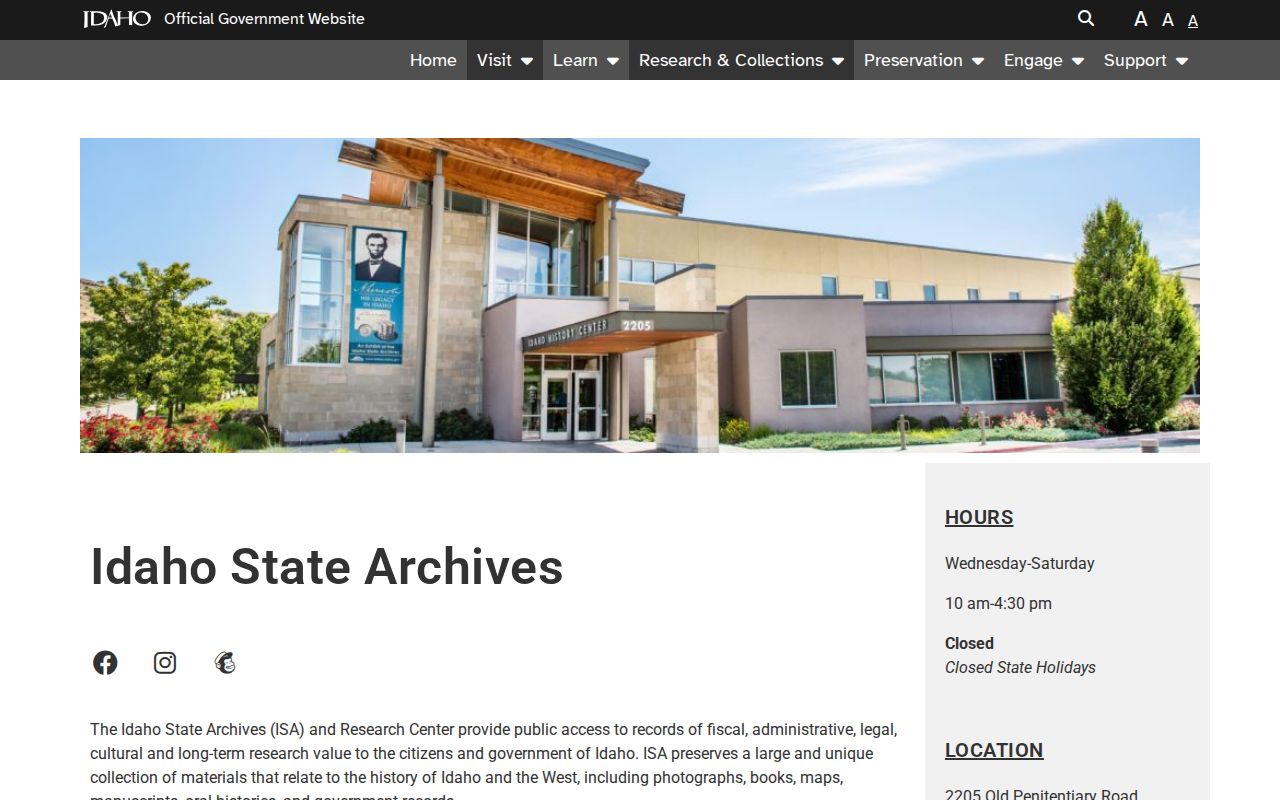
The archive route is worth trying. A historical requester should still ask BCSO whether a specific record was retained, transferred, redacted, or destroyed under an approved schedule. Name the year, record type, person, and event. Be precise. A schedule alone is not authority to destroy a record subject to law, policy, litigation hold, or ongoing business need.
Regional Reports Are Not Arrest Logs
East Idaho News and Local News 8/KIFI publish selected Butte County incidents. Coverage is editorial and episodic. It can quote agency statements or describe court documents. One major case may draw several stories. Routine bookings may get none. An old article may never reflect a dismissal or release. The East Idaho News court-document report shows this selected regional coverage in practice.
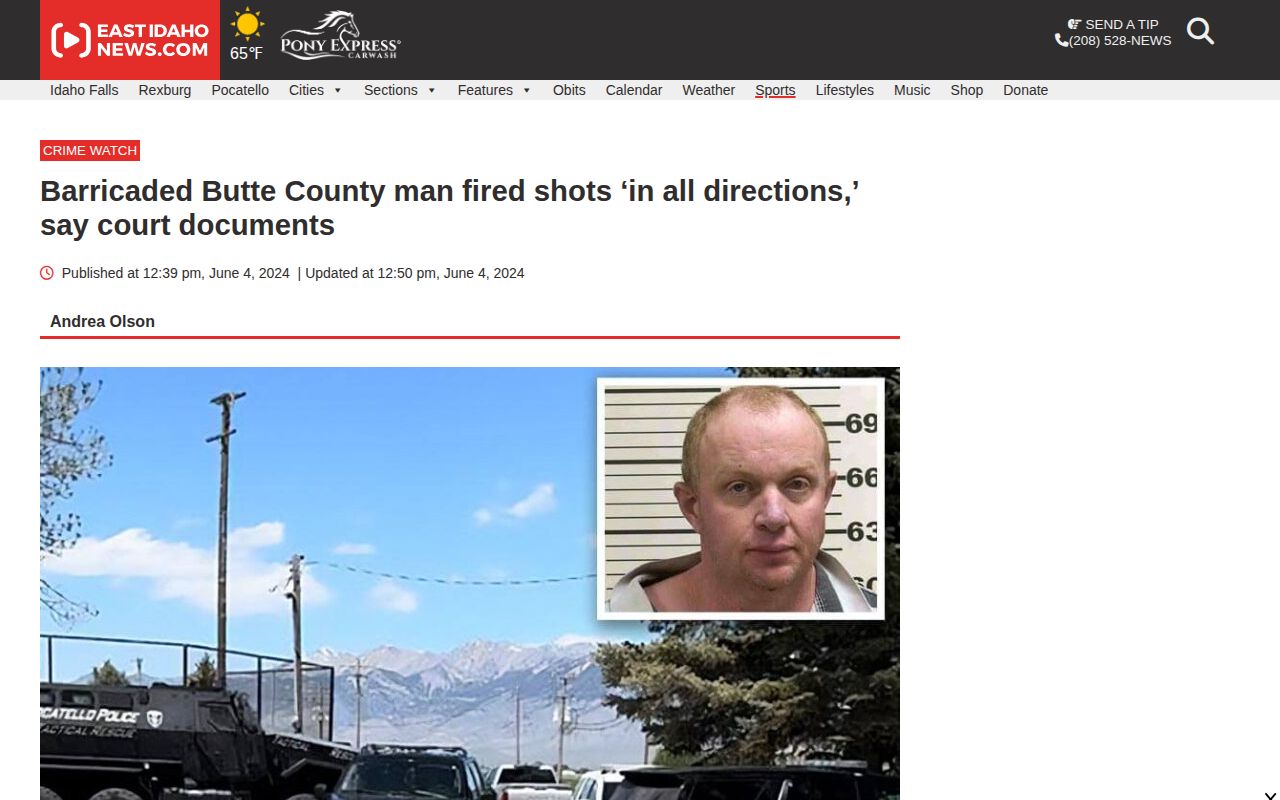
Regional stories help with dates. They still cannot show the county's full arrest population or current custody. A second East Idaho News incident update shows how coverage starts mid-event.
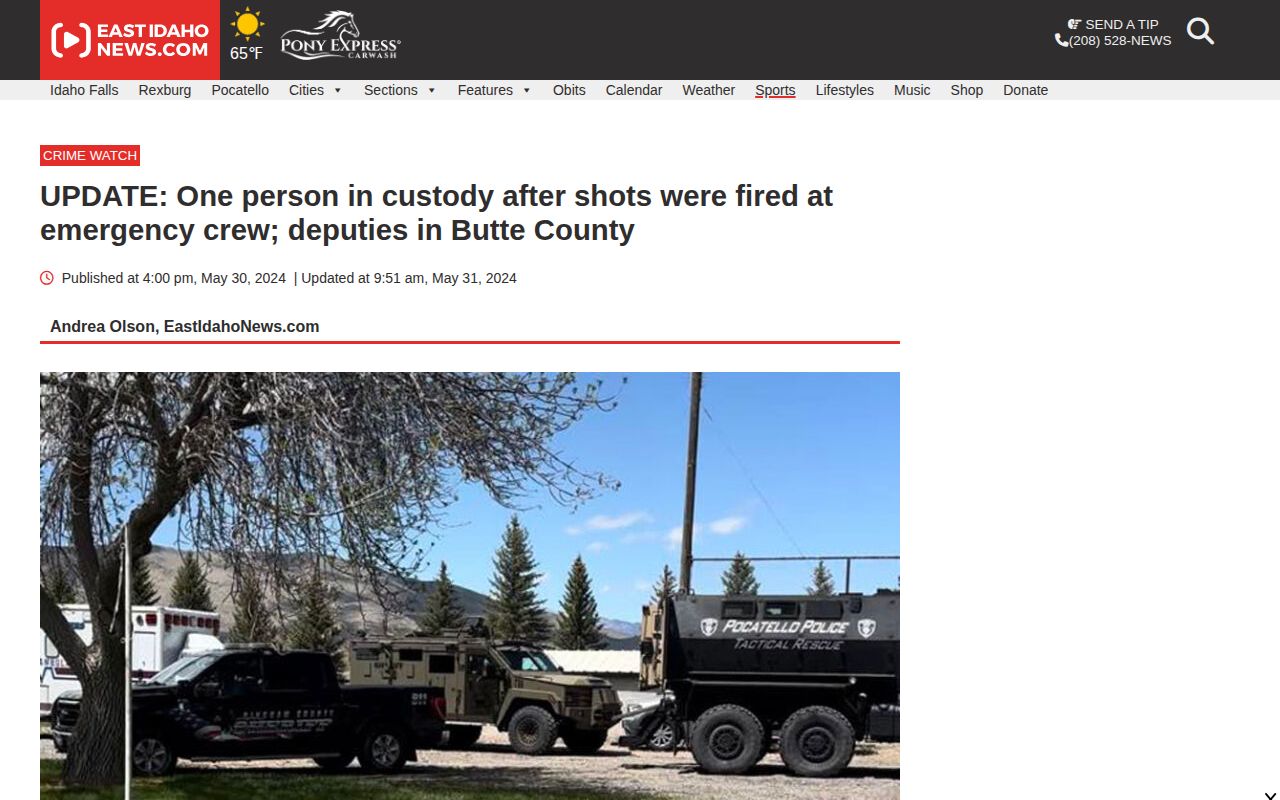
An incident story is not a roster entry.
Verify Arrest Claims and Outcomes
Booking charges can change. They may be reduced, dismissed, or amended later. Idaho iCourt can show a filed, unsealed case, its hearings, and the disposition. Yet the portal is not a jail roster. Sealed, exempt, juvenile, or unfiled matters may be missing. When iCourt falls short, the Butte County courthouse directory gives the court route. Third-party directories offer old records, contact tips, or copied photos. None replace BCSO, VINE, IDOC, or iCourt. A commercial page with a Butte County label is not a synchronized feed. The Butte County recent-arrests guide maps county jail, state custody, court, and records-request sources. Federal and immigration locators cover only their own systems. A Butte County Jail release may really be a transfer, so identify the receiving authority before calling the custody episode over.
Track Arrest Records Across Systems
One arrest can leave paper trails in several places. Butte County Jail keeps a sheriff's booking file. It shows when each person entered and left. VINELink tracks custody changes when a record is present. It is not a full local archive. IDOC's daily search covers state prison, probation, and parole rather than every county arrest. Federal Bureau of Prisons and ICE locators only answer for their own systems.
Match each date to the office that owns it. BCSO holds the booking and release dates. iCourt carries the filing date, hearings, amendments, and final outcome. When a transfer happens, find the receiving facility before searching that agency. That habit prevents a classic error. One jail's "released" is not release from every form of custody.
Booking photos work the same way. Idaho law requires a photograph during county-jail booking. The sheriff's office publishes no booking photo gallery on the web. A mugshot in a news story shows one thing. It proves only that the publisher had that image at publication. It says nothing about current custody or an unchanged charge.
Write a Useful Blotter Request
A strong historical request names the sheriff as the likely custodian. Say whether you want inspection or copies. Define a practical period. Include the person, the incident, the arresting agency, and any known date. List the booking record, release record, and booking photograph as separate items. Note when each is needed. Lawful withholding and redaction still apply.
The county clerk's public-records form is the published channel. That does not mean the clerk holds every sheriff record. The sheriff remains the natural first custodian for jail and BCSO arrest material. A prosecutor may keep a charging file, while the courthouse holds the filed court case. Blanket requests to every office only blur which record answers the question.
Never seek a child's identity or protected personal details through a blotter request. Aggregate public statistics do not authorize release of juvenile names. A third-party match should never override an official correction. Nor should it override a sealing order or a final court outcome.
Keep the response date with any copy you receive. Records and legal status can shift after a request is filled. Later court activity may be needed to complete it.